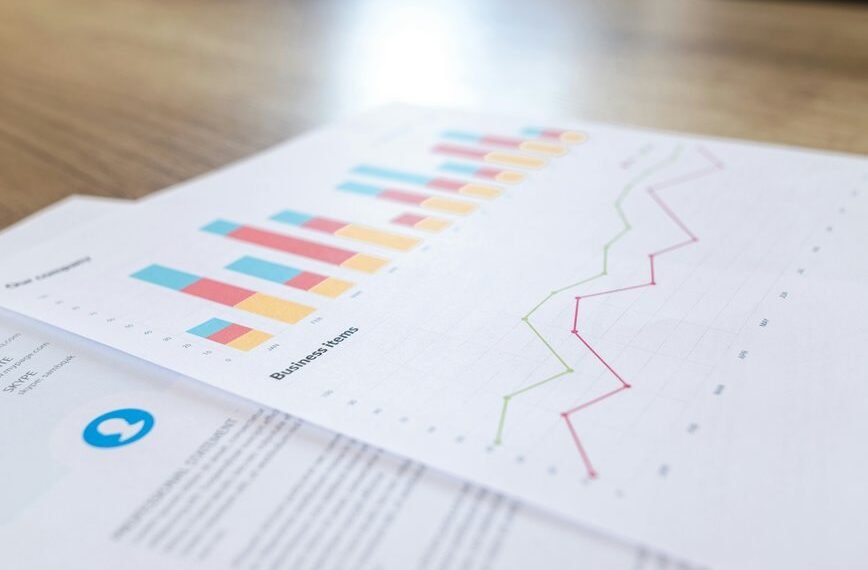

The market analytics strategy for entities 951501644, 120280290, 4078547180, 641261994, 610537792, and 120339577 requires a systematic approach to data collection and analysis. Employing techniques such as surveys and web scraping can yield valuable insights. Furthermore, implementing advanced analysis methods will refine these insights into strategic actions. The effectiveness of these strategies hinges on continuous evaluation and adaptation, prompting a closer examination of the metrics that drive success.
Data Collection Techniques for Market Analytics
Effective market analytics relies heavily on robust data collection techniques that form the foundation for informed decision-making.
Surveys and interviews provide qualitative insights directly from consumers, while web scraping enables the extraction of quantitative data from online sources.
Together, these methods enhance the understanding of market trends, consumer behavior, and competitive landscapes, empowering businesses to make strategic choices that align with market dynamics.
Advanced Analysis Methods for Insight Generation
Building on the foundation established through diverse data collection techniques, advanced analysis methods play a pivotal role in transforming raw data into actionable insights.
Predictive modeling enables organizations to forecast trends and behaviors, thereby enhancing strategic decision-making.
Meanwhile, sentiment analysis helps gauge public opinion, revealing consumer emotions and preferences.
Together, these methods empower businesses to navigate market dynamics with greater agility and precision.
Implementation Best Practices for Market Analytics Strategies
Although the implementation of market analytics strategies can be complex, adhering to best practices significantly enhances their effectiveness and impact.
To address implementation challenges, organizations should ensure strategy alignment with business objectives, foster cross-departmental collaboration, and invest in training.
This approach not only mitigates potential obstacles but also optimizes resource utilization, ultimately leading to more informed decision-making and improved market performance.
Measuring Success and Adjusting Strategies Over Time
Successful implementation of market analytics strategies sets the foundation for measuring effectiveness and making necessary adjustments.
By establishing clear success metrics, organizations can objectively evaluate performance and identify areas for improvement.
Regular analysis of these metrics enables timely strategy adjustments, fostering adaptability in a dynamic market environment.
This continuous feedback loop enhances decision-making, ultimately driving sustained growth and innovation while respecting the pursuit of freedom in strategic choices.
Conclusion
In conclusion, the proposed market analytics strategy for the identified entities serves as a compass, guiding them through the intricate landscape of consumer behavior and market trends. By integrating robust data collection techniques and advanced analysis methods, these entities can uncover invaluable insights that drive informed decision-making. Continuous evaluation of success metrics and adaptability will ensure they remain agile, navigating the ever-changing market dynamics and fostering sustainable growth and innovation.

 By
By