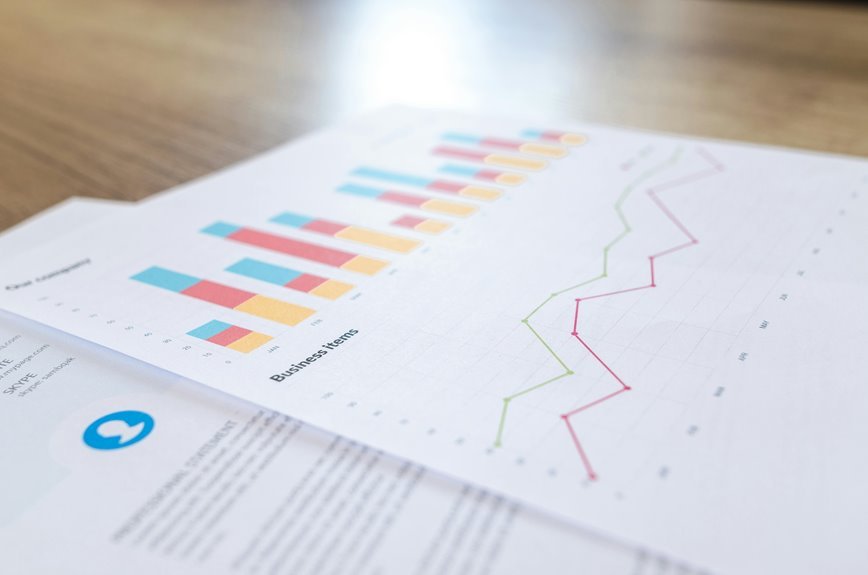

Commercial analytics serves as a critical component for understanding and responding to market dynamics. By leveraging analytical techniques, businesses can extract actionable insights from vast datasets. This overview will examine specific identifiers that shape decision-making processes. It will also explore emerging trends and real-world applications of commercial analytics. The implications of these insights could redefine operational strategies and competitive positioning in various industries. What remains to be uncovered is the potential impact of these analytics on future business landscapes.
Understanding Commercial Analytics
Commercial analytics serves as a critical tool for businesses seeking to leverage data for strategic decision-making.
By utilizing data visualization techniques, organizations can present complex information in an accessible format. Predictive modeling further enhances this capability, enabling companies to forecast trends and make informed choices.
Together, these methodologies empower businesses to navigate uncertainties and seize opportunities, fostering a sense of autonomy in decision-making processes.
Analytical Techniques for Specific Identifiers
Identifying relevant analytical techniques is essential for organizations aiming to extract insights from specific identifiers within their data sets.
Effective identifier analysis employs various methods such as clustering, regression, and statistical testing, facilitating accurate data interpretation.
Trends Influencing Business Decisions
Understanding how analytical techniques reveal insights from specific identifiers provides a foundation for examining broader trends that influence business decisions.
Current trends in consumer behavior and market dynamics emphasize the need for agility and adaptability. Businesses are increasingly leveraging real-time analytics to anticipate shifts in preferences, ensuring they remain relevant and competitive in rapidly evolving environments.
Ultimately, this approach guides strategic decision-making processes.
Case Studies and Real-World Applications
A range of case studies exemplifies the transformative impact of commercial analytics across various industries.
For instance, retail companies leverage analytics to optimize inventory management, while healthcare organizations utilize data insights for patient care improvements.
These real-world applications demonstrate how businesses harness analytics to enhance operational efficiency, drive strategic decisions, and ultimately achieve competitive advantages in their respective markets.
Conclusion
In the realm of commercial analytics, data serves as the compass guiding organizations through the intricate maze of market dynamics. Just as a lighthouse illuminates the path for ships navigating turbulent waters, analytical techniques reveal insights that empower businesses to make informed decisions. As trends shift like the tide, the transformative potential of commercial analytics becomes evident, ensuring that companies remain agile and relevant in an ever-changing landscape, ultimately fostering sustained growth and operational excellence.

 By
By