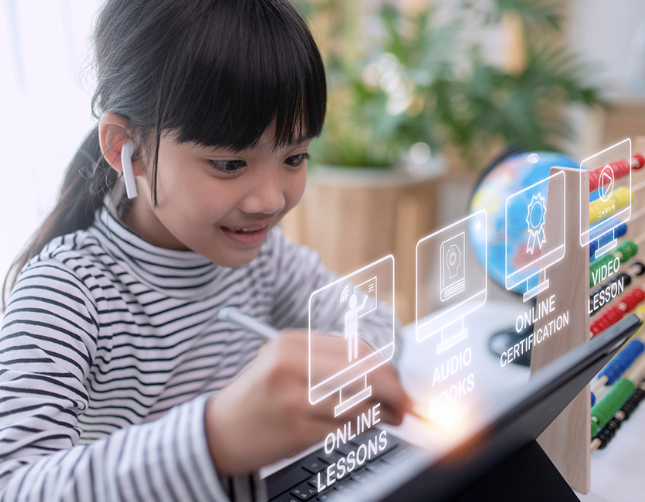

Technology innovations in education have significantly reshaped learning environments. Tools such as artificial intelligence and virtual reality cater to diverse learning styles, fostering engagement and understanding. Adaptive learning platforms provide personalized experiences, essential for accommodating varied student needs. As these technologies evolve, they promise to further enhance educational outcomes. Yet, the implications of these advancements raise critical questions about their long-term impact on teaching methodologies and student engagement. What challenges might arise as we embrace this digital shift?
The Role of Artificial Intelligence in Personalized Learning
As educational institutions increasingly embrace technology, the integration of artificial intelligence (AI) into personalized learning frameworks has emerged as a transformative force.
AI tutors, powered by advanced data analytics, tailor educational experiences to meet individual student needs. This innovative approach not only enhances engagement but also empowers learners by providing them with customized resources and support, fostering a more liberated and effective learning environment.
How Virtual Reality Is Transforming Classroom Experiences
While traditional teaching methods often rely on textbooks and lectures, the advent of virtual reality (VR) technology is reshaping classroom experiences in profound ways.
VR facilitates virtual excursions and immersive simulations, allowing students to explore complex concepts and historical events firsthand.
This transformative approach not only enhances engagement but also fosters a deeper understanding, liberating learners from conventional educational constraints.
Benefits of Adaptive Learning Platforms for Diverse Learners
Adaptive learning platforms represent a significant advancement in educational technology, especially for diverse learners who require tailored instructional approaches.
By facilitating individualized instruction, these platforms enhance learner engagement, allowing students to progress at their own pace.
The adaptability of such systems ensures that varying learning styles and needs are met, ultimately fostering an inclusive environment that empowers all students to thrive in their educational journeys.
See also: Technology Innovations in Agriculture
Emerging Trends in Educational Technology for Future Classrooms
With the rapid evolution of technology, educators are increasingly exploring innovative tools that promise to reshape future classrooms.
Emerging trends highlight gamified learning and collaborative tools, fostering engagement and teamwork among students. These advancements encourage a more participatory educational experience, empowering learners to take ownership of their education while developing essential skills.
Such innovations create environments where creativity and critical thinking flourish freely.
Conclusion
In conclusion, technology innovations in education are reshaping the learning landscape, enhancing engagement and understanding. Artificial intelligence personalizes learning experiences, while virtual reality immerses students in complex concepts. Adaptive learning platforms cater to diverse needs, fostering inclusivity and growth. As emerging trends continue to evolve, they promise to redefine classroom dynamics, promote creativity, and prepare students for a rapidly changing workforce. The synergy of these advancements ensures a dynamic and responsive educational environment for all learners.

 By
By
 By
By

 By
By