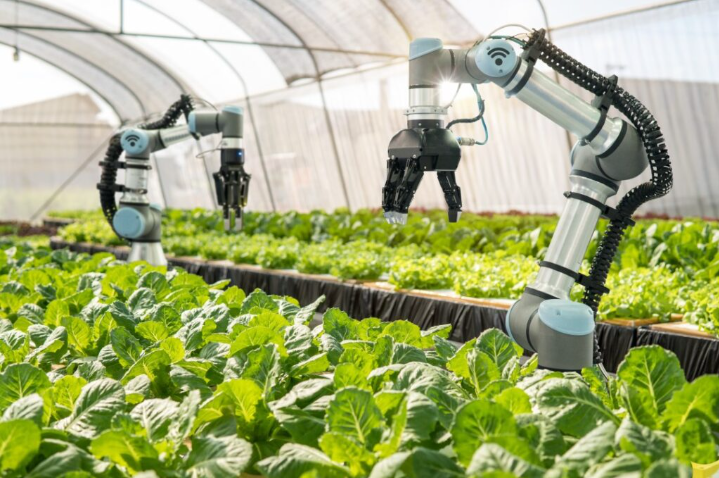

Technological innovations in agriculture are reshaping the industry landscape. Precision farming leverages data analytics and soil sensors to enhance resource efficiency. Drones and artificial intelligence provide critical insights through aerial imagery, enabling targeted crop management. Sustainable practices are gaining traction, promoting ecological balance and resilience. Meanwhile, food distribution advancements, such as blockchain and IoT, are redefining supply chain dynamics. The implications of these developments raise questions about the future of agricultural practices and sustainability.
The Rise of Precision Farming Technologies
As agriculture faces increasing pressures from population growth and climate change, the rise of precision farming technologies presents a transformative solution to enhance efficiency and sustainability.
Utilizing data analytics and soil sensors, farmers can optimize resource allocation and improve crop yields. This technological evolution enables precise monitoring of soil conditions, allowing for informed decision-making that promotes environmental stewardship and economic viability in agricultural practices.
How Drones and AI Are Transforming Crop Management
While traditional farming methods have relied heavily on manual labor and experience, the integration of drones and artificial intelligence (AI) is revolutionizing crop management.
Drone mapping provides high-resolution aerial imagery, enabling farmers to assess field conditions with precision.
Coupled with AI analytics, this data facilitates informed decision-making, optimizing resource allocation and enhancing crop yields, ultimately promoting a more efficient agricultural landscape.
Sustainable Practices: Innovations for Eco-Friendly Agriculture
Although the agricultural sector faces increasing pressure to enhance productivity while minimizing environmental impact, sustainable practices are emerging as crucial innovations for eco-friendly agriculture.
Organic farming and regenerative agriculture techniques are gaining traction, promoting biodiversity and soil health. These methods reduce reliance on synthetic inputs, enhancing resilience against climate change while ensuring long-term agricultural viability, ultimately contributing to a more sustainable food system.
See also: teckjb
The Future of Food Distribution: Smart Solutions in Agriculture
Increasingly, the agricultural sector is leveraging smart solutions to revolutionize food distribution.
Advanced technologies, such as blockchain and IoT, enhance transparency and efficiency in food supply chains. These innovations optimize delivery logistics, ensuring timely and reliable distribution while minimizing waste.
As consumer demands shift, adopting these smart solutions will empower farmers and distributors, fostering a more sustainable and responsive agricultural ecosystem.
Conclusion
In the vast garden of agriculture, technology serves as the sun, illuminating paths of efficiency and sustainability. Precision farming technologies are the diligent gardeners, nurturing crops with data-driven insights, while drones and AI act as watchful hawks, surveying the landscape for signs of growth and distress. Sustainable practices emerge as resilient wildflowers, thriving amidst challenges, and smart distribution solutions weave an intricate web, ensuring that the bounty of the earth reaches all corners of the market, reducing waste and fostering harmony.

 By
By

 By
By

 By
By